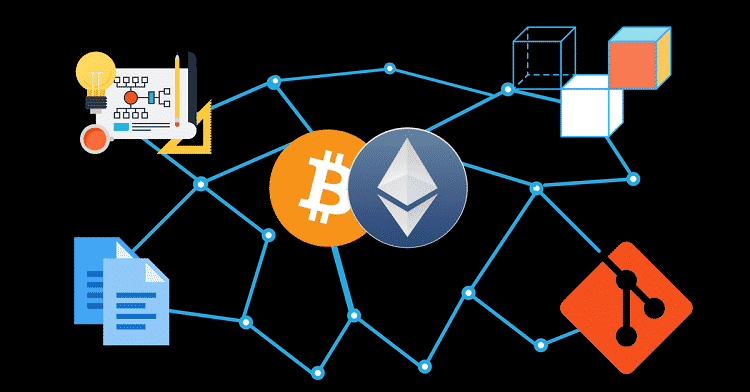

Blockchain development demands a solid grounding in cryptography, distributed systems, and secure smart contract design. A practitioner must combine formal study with hands-on practice, emphasizing reproducible environments, code reviews, and open-source work. Mastery appears as a portfolio of secure DApps, audited contracts, and scalable architectures, all measured by rigorous testing and transparent deployments. The path is structured but evolving; the next step requires identifying gaps, adopting best practices, and pursuing disciplined, incremental gains. The challenge persists, inviting careful discipline.
What Is Blockchain Development and Why It Matters
Blockchain development encompasses the design, implementation, and maintenance of distributed ledger systems and the applications that operate atop them. It systematizes trust, codifies governance, and enables programmable trust via smart contracts. The discipline emphasizes blockchain fundamentals, interoperability, and scalability, while acknowledging risk management through rigorous smart contract security practices. Practitioners analyze protocol incentives, governance models, and security audits to ensure robust, transparent, and freedom-respecting deployments.
Core Skills You Need to Master
Developing proficiency in this field requires a structured grasp of both foundational concepts and practical competencies across multiple layers of the technology stack. Core skills include cryptography literacy, consensus understanding, and smart contracts design alongside secure development practices.
Professionals analyze threat models, implement robust auditing processes, and verify interoperability.
Systematic security auditing remains essential, enabling rigorous evaluation, while disciplined smart contracts design ensures predictable behavior and resilience.
A Practical Learning Path to Your First Role
A practical learning path to landing a first role in blockchain development requires a structured sequence of skill-building activities, project work, and targeted exposure to real-world workflows. The approach emphasizes conceptual foundations, disciplined practice, and incremental expansion of scope.
Progress is measured by clear career milestones, validated through portfolio demonstrations, code reviews, and contributions to open-source, with reflective assessment guiding subsequent, skill-aligned steps.
Building, Testing, and Deploying Secure DApps
Building, Testing, and Deploying Secure DApps involves a disciplined sequence of engineering practices that integrate smart contract design, frontend interaction, and robust testing methodologies. A detached analysis emphasizes formal security auditing cycles, clear provenance of changes, and reproducible environments. It assesses risk, enforces least privilege, and targets gas optimization, while ensuring reliable deployment, verifiable audits, and maintainable, auditable codebases for resilient decentralized applications.
See also: IoT in Urban Planning and Development
Frequently Asked Questions
Which Blockchain Should I Start With for Learning?
Which blockchain to start with for learning is best chosen by considering Solidity/Smart Contracts ecosystems; Getting started with smart contracts requires evaluating maturity, documentation, tooling, and community support, favoring platforms with robust educational resources and clear security practices.
How Long Does It Take to Become Proficient?
A traveler asks how long to reach proficiency; the timeline varies by path, but six to twelve months supports entry level work. Proficiency timeline depends on which blockchain, beginner projects, CS degree necessity debated, salaries evolving, staying updated.
Do I Need a Computer Science Degree?
A degree is not strictly required; degree requirements vary by role and company. For non CS backgrounds, practical portfolios and validated credentials can substitute, though some positions still expect formal training. Employers value demonstrated fundamentals, project rigor, and ongoing self-directed learning.
What Are Typical Entry-Level Salaries in Blockchain?
Entry level blockchain salaries vary by region and firm, but typically range from moderate to competitive figures. The analysis notes learning paths influence proficiency timelines, with early roles emphasizing fundamentals, followed by accelerated progression as technical proficiency stabilizes.
How Do I Stay Updated With Rapid Changes?
Staying current demands relentless, almost comical vigilance; the field evolves so rapidly that one wonders if memory can keep pace. The analyst catalogues learning resources, curates updates, and schedules disciplined reviews to sustain rigorous, independent mastery.
Conclusion
Blockchain development demands rigorous mastery of cryptography, distributed systems, and secure smart-contract design. By building reproducible projects, contributing to open source, and documenting transparent deployment workflows, practitioners demonstrate real-world proficiency. A compelling statistic: studies show that up to 70% of smart contract hacks originate from insecure patterns and governance gaps, underscoring the need for formal audits and least-privilege design. In sum, disciplined, evidence-backed practice, rigorous testing, and clear provenance are central to sustained proficiency in this field.
