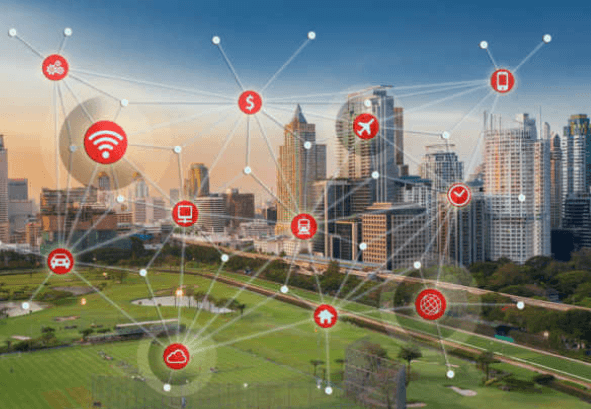

IoT in urban planning integrates real-time sensing with analytics to guide decisions across transportation, utilities, and public spaces. The approach emphasizes interoperable, standards-based systems and transparent governance to enable auditable practices. Data fusion from diverse sources supports energy optimization, emissions reduction, and resilience. Yet, questions remain about equity, privacy, and accountability as systems scale; the path forward depends on disciplined evaluation and adaptable governance that can sustain public trust and measurable improvements.
What IoT Brings to Urban Planning
IoT brings a data-driven foundation to urban planning by enabling real-time sensing, monitoring, and analytics across transportation, utilities, and public spaces.
The approach emphasizes data governance, urban analytics, and privacy concerns while supporting citizen engagement, device interoperability, predictive maintenance, energy optimization, public safety, service orchestration, and climate adaptation.
A multidisciplinary, standards-conscious perspective guides decision-making for transparent, scalable urban systems.
Designing Smart Infrastructure for Cities
The approach aggregates street lighting, traffic signaling, sensors, and data fusion to optimize networks, reduce energy use, and inform planners.
Data-driven methodologies, standards-conscious collaboration, and multidisciplinary evaluation enable scalable, interoperable deployments aligned with urban freedom, transparency, and measurable performance across districts and services.
Data, Privacy, and Governance in IoT Deployments
Data governance, privacy, and security considerations become central as interoperable sensing and analytics scale across urban networks.
The discourse emphasizes standardized data stewardship, transparent protocols, and auditable practices across platforms.
Multidisciplinary teams evaluate risk models, data lineage, and governance frameworks to reduce privacy risks while enabling innovation.
Clear metrics, interoperable interfaces, and citizen-centric governance inform scalable, freedom-supporting IoT deployments.
Evaluating Impacts: Equity, Resilience, and Value Creation
Evaluating impacts requires a structured, cross-disciplinary assessment of how urban IoT deployments affect equity, resilience, and value creation.
The analysis compares performance across communities, prioritizing transparency, interoperability, and accountability.
It documents privacy governance practices and their impact on trust.
Equity metrics quantify access, affordability, and participation, while resilience indicators measure disruption tolerance and recovery speed, informing value creation through inclusive, standards-aligned decision-making.
See also: IoT Integration in Household Devices
Frequently Asked Questions
How Do Iot Devices Affect Energy Consumption and Carbon Footprints?
IoT devices can reduce energy use and carbon footprints through optimized systems, real-time monitoring, and demand-responsive controls; however, they also introduce embedded energy costs and lifecycle emissions. Net impact depends on adoption, standards, and data-driven optimization of IoT energy and carbon footprints.
What Standards Ensure Interoperability Across City Iot Systems?
Do interoperability standards ensure seamless city-wide integration across systems; yes, they do, because they define common data models, interfaces, and testing protocols. The analysis emphasizes Data governance and interoperability standards, enabling multidisciplinary, standards-conscious, data-driven, freedom-seeking urban futures.
How Is Long-Term Data Ownership Handled With Vendor Lock-In?
Data ownership decisions mitigate vendor lock-in through clear contracts, portable data formats, and standardized APIs, enabling long-term access, transferability, and governance while preserving privacy, interoperability, and open data principles across multidisciplinary urban systems.
What Training Do City Staff Need to Manage Iot-Enabled Services?
Training requirements for city staff include formal data governance curricula, cybersecurity basics, and system troubleshooting; ongoing interdisciplinary, standards-conscious modules support cross-department collaboration, while euphemistic framing softens constraints, guiding empowered, freedom-seeking teams toward reliable, compliant IoT-enabled services.
How Can Communities Participate in Iot Planning Decisions?
Communities participate through structured forums, transparent governance, and ongoing feedback loops that inform decisions on IoT deployments. They rely on data dashboards, public surveys, and open standards to ensure inclusive, multidisciplinary oversight and sustained freedom to influence outcomes.
Conclusion
IoT enriches urban planning with real-time data, enabling resilient, equitable, and efficient cities. Integrated sensing across transportation, utilities, and public spaces supports adaptive governance and measurable outcomes. A standards-conscious framework ensures interoperability, transparency, and auditable practices, while privacy-by-design safeguards trust. By aggregating diverse data streams, cities can optimize energy use, reduce emissions, and enhance livability. In this data-driven tapestry, governance acts as the loom—fashioning inclusive growth from the threads of technology and citizen needs.
