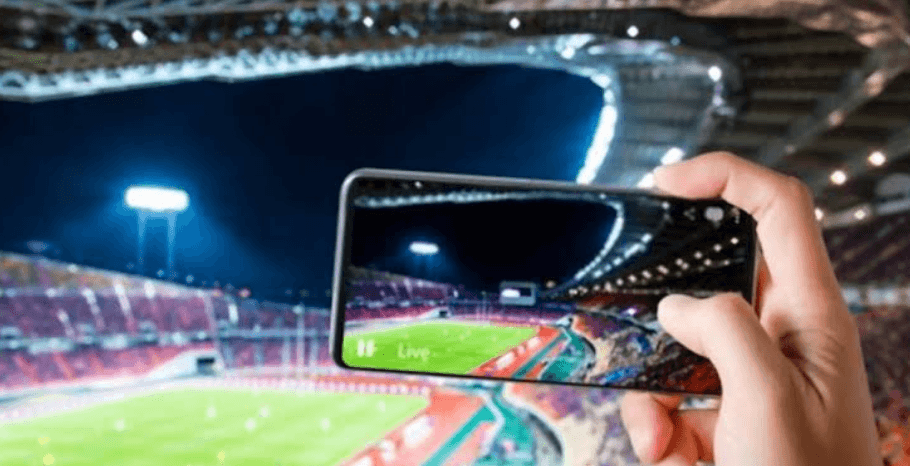

Sports apps have strayed from simple match listings. Many users have come to open them to track certain athletes, short videos, live alerts, training news, data cards, and moments that move faster than full match reports. Recognition occurs almost instantaneously and it’s driven by Messi, Ronaldo, Serena Williams, LeBron James, Max Verstappen and other global figures.
This habit is changing expectations across live entertainment apps. People want screens that understand interest, organize choices quickly, and keep live moments easy to follow. In the same wider discussion about mobile video, touch controls, live prompts, and personalized discovery, desi live casino games app fits as an example of how live entertainment depends on clear app structure and real-time screen behavior.
Athlete Names Became Fast Navigation
A famous athlete works like a shortcut inside a crowded feed. Users do not need to read a long headline when a familiar face, club badge, jersey color, or stat card already gives context. This is why athlete-driven feeds feel faster than broad sports pages.
The same pattern matters for live apps. Users often make decisions in seconds. A screen that organizes content by recognizable categories, recent interest, and clear visual labels feels easier to use than one that shows every option with equal weight.
Speed here is not only technical. It is also visual and mental. The app should help users understand where to look first.
Personal Feeds Changed User Patience
Sports platforms taught users to expect relevance immediately. A basketball fan may want player stats, injury updates, or short highlight clips. A racing fan may want lap times, driver positions, and session alerts. A tennis fan may want match timing, tournament progress, and player-focused updates.
Live entertainment apps face the same patience problem. If the first screen feels generic, users may leave before exploring. Smart ordering can reduce that friction by showing recent activity, preferred formats, or live options that match previous behavior.
The safest version of personalization does not force a path. It simply makes the first choice easier.
Visual Identity Makes Screens Easier to Read
Athlete-driven feeds succeed because they use strong visual identity. Faces, names, rankings, team colors, thumbnails, and short labels help users understand content before reading every detail.
Live entertainment apps can borrow that structure through:
- Clear category cards.
- Recognizable live room labels.
- Dealer or host thumbnails where relevant.
- Status tags for active sessions.
- Simple icons for format, pace, or availability.
This kind of design helps users scan without feeling pushed. The goal is clarity, not decoration. A busy screen may look active, but it often slows down the user.
Timing Gives Personalization Value
An athlete alert works because it arrives near the moment of interest. A lineup update before a football match, a race position change during a Grand Prix, or a set result during a tennis match gives useful context. The same update too late feels less valuable.
Live apps need the same timing discipline. A prompt should appear when action is possible. A recommendation should arrive when a user is browsing, not when it interrupts the main screen. A status change should match the live moment.
Good timing makes personalization feel helpful. Poor timing makes even relevant content feel noisy.
Control Keeps Smart Feeds Trustworthy
Personalized feeds can become frustrating when users cannot change what they see. Sports apps work better when fans can follow or unfollow athletes, mute alerts, adjust competitions, and choose notification types.
Live entertainment apps need visible control as well. Users should be able to browse manually, change filters, clear recent items, and ignore suggestions. A smart feed should never feel like a locked route.
Transparency also matters. Labels such as recently viewed, trending now, live, or similar format can explain why something appears. Small explanations make recommendations feel less random.
The Next App Screen Standard
Athlete-driven feeds show where live entertainment design is heading. Users want personal screens, but they also want order. They expect relevant content, but they still need control. They enjoy fast discovery, but they lose trust when an app feels crowded or pushy.
The strongest live apps will combine sports-feed intelligence with clean interface design. They will use recognition, timing, and personalization to reduce searching while keeping the screen readable. The future belongs to apps that respect attention and make every live choice easier to understand.
