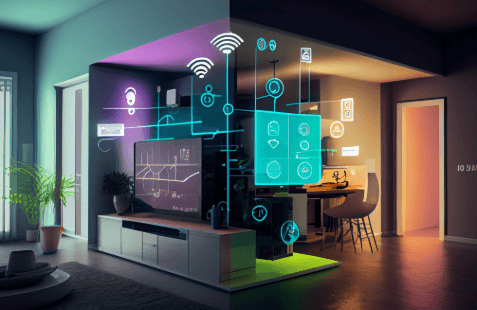

IoT in the home enables centralized control, data-driven insights, and practical automation across everyday devices. Interoperability and scalable architectures prevent fragmentation and support reliable cross-device coordination. A modular ecosystem with transparent updates and clear data stewardship improves energy efficiency, occupancy-aware automation, and security. Ongoing firmware updates, strong authentication, data minimization, and audits sustain resilience and user autonomy. The balance between convenience and privacy invites careful, incremental implementation as devices and platforms evolve—and suggests there are important choices ahead.
What IoT in the Home Actually Means for You
IoT in the home translates digital connectivity into tangible everyday advantages. The technology enables centralized control, data insight, and automation across devices, enhancing convenience while demanding mindful privacy. Users weigh privacy pitfalls against efficiency gains, evaluating data practices and consent.
Device interoperability remains essential; without it, ecosystems fragment, undermining scalability and coherence. Informed choices align freedom with practical, measurable improvements.
Choosing a Seamless Smart Home Setup
A seamless smart home setup prioritizes interoperability, scalable architectures, and clear data stewardship, enabling reliable control across devices and platforms.
The approach favors modular ecosystems, standardized protocols, and transparent update paths.
For users seeking freedom, practitioners emphasize energy interoperability and straightforward device onboarding, minimizing friction while preserving security, privacy, and future upgradeability through documented interfaces and consistent configuration practices.
Practical Use Cases: Saving Energy, Security, and Comfort
Smart home systems translate everyday routines into measurable energy savings, robust security postures, and enhanced comfort by coordinating devices through standardized protocols, data exchanges, and rule-based automation. These practical use cases emphasize energy auditing and occupancy sensing to optimize consumption, detect anomalies, and adjust environments.
Systematic integrations enable adaptable control, interoperability, and user freedom while maintaining predictable performance and scalable, low-friction deployments.
Privacy, Security, and Maintenance Considerations
Privacy, security, and maintenance considerations form a critical complement to the practical benefits of home IoT integration. The analysis adopts a detached stance, outlining structured safeguards: regular firmware updates, robust authentication, and minimal data exposure. Emphasis on privacy risks prompts proactive monitoring and incident response planning. Data minimization reduces exposure, while ongoing audits ensure resilience, adaptability, and user autonomy.
See also: IoT Security Challenges and Solutions
Frequently Asked Questions
How Do I Start Integrating Iot Without Professional Help?
A novice can begin by exploring hobbyist kits and build automation, emphasizing offline fallback and local control. They should research compatible platforms, prototype gradually, document steps, verify security, and maintain adaptability to sustain autonomous, freedom-oriented project progression.
Can Iot Devices Work Offline During Internet Outages?
Yes, some IoT systems support offline operation via local automation during outages, but depend on cloud dependencies for advanced features; ensure remote access remains limited, devices synchronize when online, and configurations prioritize autonomy and user freedom.
What Is the Total Cost of Ownership for Smart Homes?
The total cost of ownership for smart homes varies widely, but totals typically include upfront hardware, installation, and ongoing maintenance, plus energy and subscription fees; ownership cost can be substantial yet offset by efficiency, automation, and long-term value.
How Do I Repair or Troubleshoot Common Iot Faults?
The guide outlines fault diagnosis steps and a firmware rollback procedure for common IoT faults. It emphasizes systematic troubleshooting, adaptable methods, and clear safety considerations, enabling users seeking freedom to diagnose issues, revert updates, and restore device functionality confidently.
Which Ecosystems Ensure Long-Term Device Compatibility?
“Time is money,” asserts steady reasoning. Long term compatibility rests on established ecosystems; ecosystem resilience, driven by open standards and robust vendor commitment, shapes durable interoperability. The answer: ecosystems with open protocols and sustained governance ensure lasting, adaptable compatibility.
Conclusion
In the quiet hum of connected living, the home becomes a well-orchestrated ecosystem. Each device, like a patient metronome, ticks toward efficiency, safety, and comfort, guided by transparent updates and steady guardianship of data. The system’s modular threads weave a future-proof tapestry, where privacy and control remain constant companions. As occupancy and routines evolve, the architecture adapts, inviting trust and responsible stewardship—an allusion to a lighthouse: steady, visible, and ever wary of the fog beyond.
